
Spánek a emoce: Jak ovlivňují vaše zuby a dásně
When you think about your teeth, you probably think about brushing, flossing, or that one cavity you’ve been avoiding. But what you might not realize is that your spánek a emoce, psychologické a fyziologické stavy, které přímo ovlivňují tělesné funkce, včetně ústní hygieny. Also known as emocionální a spáncový vliv na tělo, they quietly shape your oral health—sometimes more than your toothpaste does. If you’ve been waking up with jaw pain, grinding your teeth, or noticing your gums bleed more than usual, it’s not just about brushing too hard. It’s about how you sleep, how you handle stress, and whether your emotions are getting the space they need to settle down.
Your stres, přirozená reakce těla na tlak, která aktivuje sympatikus a zvyšuje hladinu kortizolu doesn’t just make you feel overwhelmed—it makes your jaw clench. That clenching doesn’t stop when you’re awake. At night, when your body should be resting, your teeth are grinding against each other like sandpaper. Over time, this wears down enamel, causes cracks, and turns healthy teeth into sensitive ones. And it’s not just the teeth. Chronic stress weakens your immune system, which means your dásně, měkké tkáně kolem zubů, které chrání kořeny a podporují stabilitu can’t fight off bacteria as well. That’s why people under constant pressure often end up with bleeding gums, even if they brush twice a day.
And then there’s sleep—or the lack of it. When you don’t get enough deep sleep, your body doesn’t repair itself properly. That includes your mouth. Saliva production drops, which means less natural cleaning. Acid from food and bacteria lingers longer, increasing your risk of cavities. Poor sleep also triggers inflammation, which can turn a mild gingivitis into full-blown periodontitis. It’s no coincidence that people who struggle with insomnia report more tooth pain, more sensitivity, and more visits to the dentist. Your mouth isn’t just a separate system—it’s a mirror of your overall well-being.
You don’t need to be a psychologist to understand this. Think about the last time you were anxious before a big meeting or stayed up late worrying. Did you notice your jaw felt tight? Did you wake up with a headache? That’s your body screaming for balance. The good news? Fixing your sleep and managing your emotions doesn’t require expensive treatments. It starts with small, consistent habits: turning off screens an hour before bed, breathing deeply when stress hits, and giving yourself permission to rest. These aren’t just ‘self-care’ buzzwords—they’re dental prevention tools.
In the posts below, you’ll find real stories and practical fixes from people who’ve been there: how stress turned their teeth into a battlefield, how better sleep ended their morning jaw pain, and why learning to manage emotions helped their gums heal without a single filling. You’ll learn what really works—not just what’s advertised. Because when it comes to your smile, the most powerful tool isn’t a toothbrush. It’s how you live.
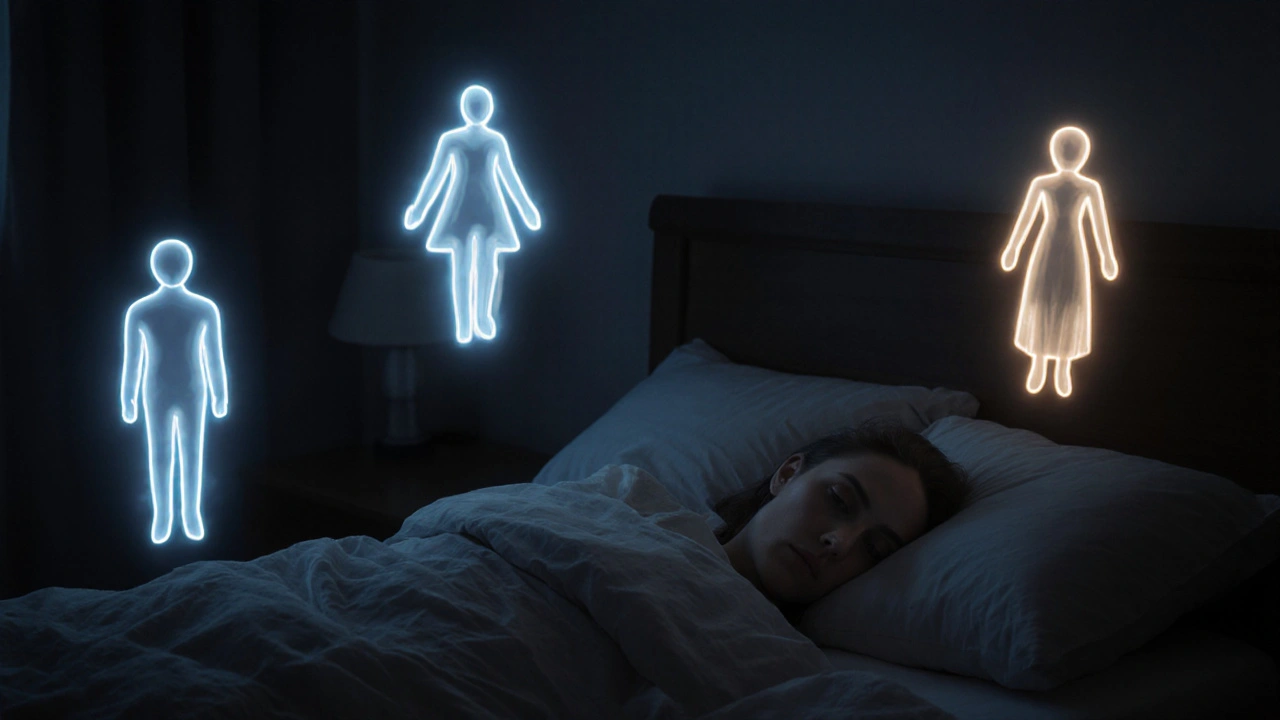
Co znamená, když mám někoho ve snu? Význam snů o lidech, které znáte
Co znamená, když máte někoho ve snu? To není náhoda. To je váš mozek, který se snaží řešit něco, co jste si neřekli. Zjistěte, proč se objevují lidé ve vašich snách a co vám skutečně chtějí říct.
read more...